
NO 11B, JALAN PUCHONG PERMAI 2, TAMAN PUCHONG PERMAI,
47100, PUCHONG, SELANGOR
+603 5892 6806
Excellent Expertise, Proven Professionals
Whether you have a small welding business or are a multinational manufacturing company, your ultimate goal should always be to create a high-quality product with a long lifespan.
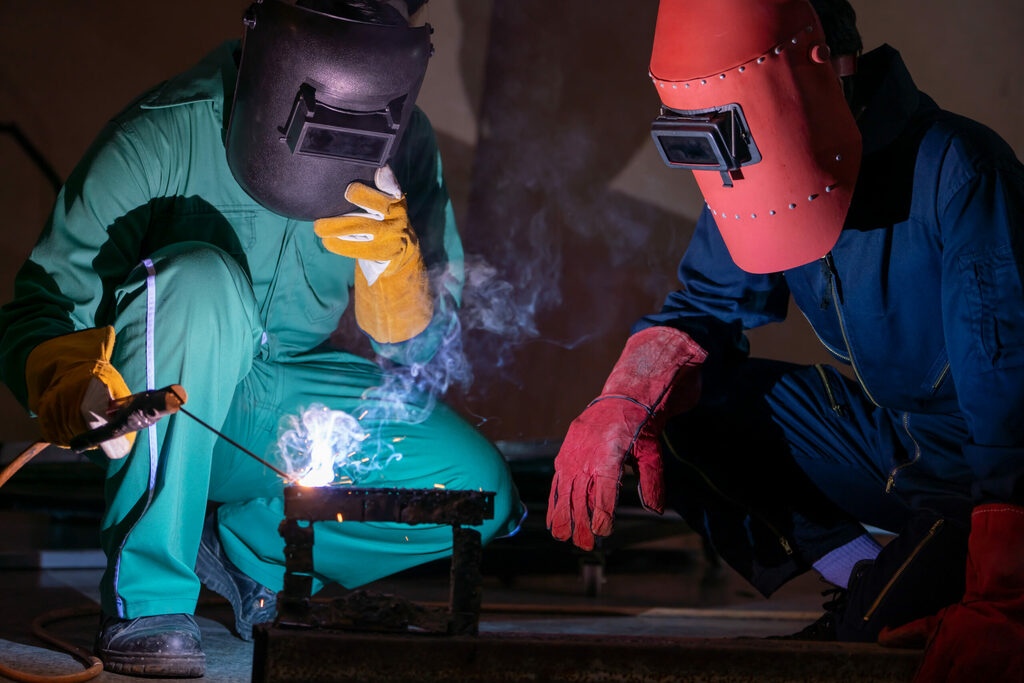
MONDIAL's experts visit the customer facility for review, understand and recommend the required welding procedures to be qualified and support from preparation of test coupons to actual testing and certification, qualify Welder and train them in using the qualified WPS
Welding Procedure Specification (WPS)
Welding Procedure Specification (WPS) Services are crucial for ensuring that welds are performed according to industry codes and are of the highest quality. Whether you're working on a small project or a large-scale industrial job, a reliable WPS service provider can create, validate, and maintain welding procedures to ensure compliance, consistency, and safety.
We help maintain the database of qualifications to facilitate timely renewals by periodic monitoring as per relevant code. MONDIAL's Welding Procedure Specification (WPS) is a written document that provides detailed guidelines for welding operations.
The Scope of Services includes:
- Training of Welders
- Review of proposed WPS
- Verification of material, consumables & material specification.
- Witness of Test Coupon Welding.
- Visual inspection of Weld.
- Non-destructive testing as applicable.
- Review of PWHT procedures and documents where applicable.
- Witness Mechanical testing
- Prepare and Issue of WPS, PQR and Welder Qualification Certificate duly certified by qualified inspector.
Ensures Quality and Consistency
A properly developed WPS ensures that welding operations produce consistent and high-quality results, reducing defects and rework.
Meets Legal and Code Requirements
Many industries require WPS documentation to comply with national and international codes, helping avoid legal issues and project delays.
Improves Efficiency
Well-defined welding procedures streamline operations, improve workflow, and reduce the risk of errors, ultimately saving time and cost.
Safety Assurance
By adhering to a WPS, workers follow best practices, minimizing risks associated with poorly executed welding and ensuring workplace safety.
Ensuring high-quality, consistent, and safe welding practices across a wide range of industries.
FAQ
A Welding Procedure Specification (WPS) is a formal document that provides detailed instructions for a specific welding process, including parameters like the welding technique, materials, position, and the settings for the welding equipment. It ensures that welding is done consistently, safely, and in compliance with industry codes and standards.
WPS documents are developed based on:
A WPS is typically valid as long as the conditions outlined in it (e.g., materials, welding processes) remain unchanged. However, if the materials, processes, or codes change, a new WPS or update to the existing WPS might be required. Requalification is also necessary if there are changes in the production environment or welding personnel.
WPS services help ensure compliance with industry codes and regulations (e.g., AWS, ASME, ISO), which is crucial for project approvals, inspections, and audits. Well-documented and well-executed WPSs also provide a traceable record of welding procedures, which is important for quality assurance, legal purposes, and ensuring consistent results.