
NO 11B, JALAN PUCHONG PERMAI 2, TAMAN PUCHONG PERMAI,
47100, PUCHONG, SELANGOR
+603 5892 6806
Excellent Expertise, Proven Professionals
Welding and fabrication codes set the criteria for design, material quality control, inspection, and welding procedure qualification. International codes universally require the establishment of welding procedures, emphasizing both the need for process qualification and the essential skills of welders to ensure quality of welds.
MONDIAL's provide essential testing to verify that welders possess the skills and knowledge needed to meet industry standards and regulatory requirements. These services are critical for ensuring that welders produce high-quality, durable, and safe welds.
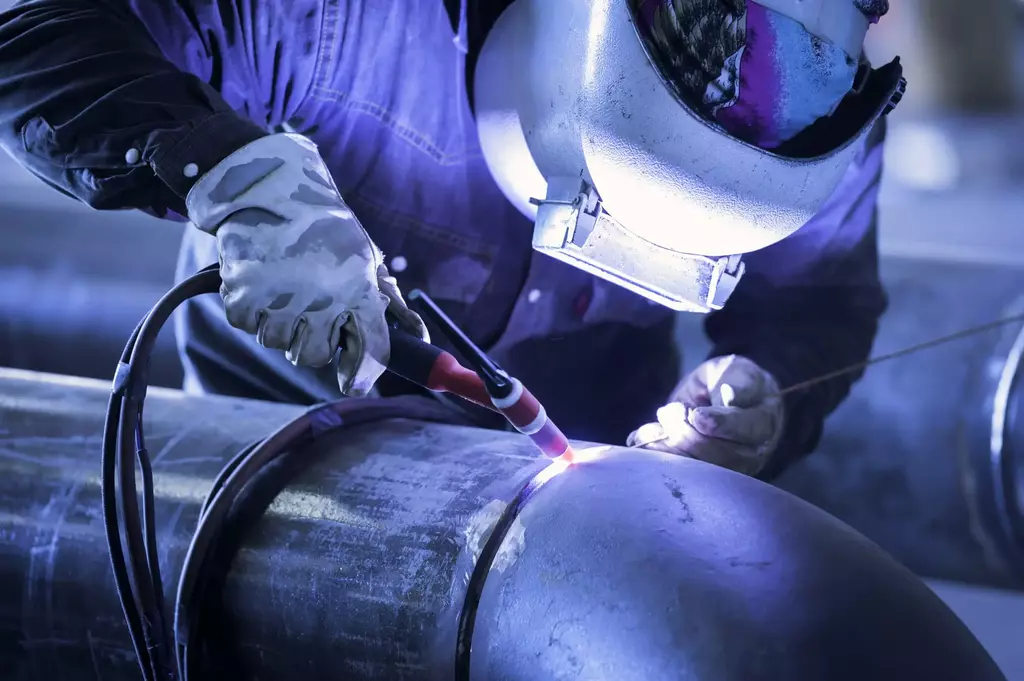
With most of our team consisting of certified welders, MONDIAL's is an expert in welder qualification testing.
We are able to perform testing on every major welding code, including:
Welder Qualification Testing is a crucial process to ensure that welders possess the necessary skills and knowledge to perform welding tasks according to industry standards and specifications. This testing verifies the welder’s ability to create strong, durable welds that meet specific codes and requirements.
Accuracy and Compliance
Professional testing ensures that welders meet the stringent standards required in various industries, reducing the risk of costly failures.
Experience and Expertise
Our testing services have certified inspectors and advanced equipment to carry out comprehensive testing in compliance with industry codes.
Cost Efficiency
By catching issues early and ensuring compliance, these services help prevent rework or failure, saving time and money.
Industry Recognition
Successful completion of qualification testing enhances a welder’s qualifications, giving them a competitive edge in the industry.
Commitment to meet industry standards and ensure safety, quality, and precision in every joint
FAQ
Welder Qualification Testing is the process of assessing a welder’s ability to perform welding tasks in accordance with specific standards and codes. The testing ensures the welder can produce strong, durable, and safe welds that meet the required industry specifications.
Yes, for certain industries and applications (especially in high-risk environments), welder qualification testing is mandatory to comply with safety and industry standards. It is required for certifications to ensure that welders can meet the performance requirements of the materials and procedures.
Yes, many testing services provide on-site welder qualification testing, especially for industries like construction, oil and gas, or shipbuilding. Portable testing equipment for visual and non-destructive testing can be brought to the location.
The time required for qualification testing can range from a few hours for simpler tests to several days for more complex tests involving destructive testing or multiple welding procedures. The testing time depends on the type of welding process, the number of tests to be conducted, and the complexity of the welds.
After the test, the welder receives a certification if they pass. The certification document typically includes the details of the test (e.g., process, position, material) and serves as proof of their qualifications. Failed tests may require requalification or corrective action.