
NO 11B, JALAN PUCHONG PERMAI 2, TAMAN PUCHONG PERMAI,
47100, PUCHONG, SELANGOR
+603 5892 6806
Excellent Expertise, Proven Professionals
PMI is an NDT method, which means that it does not damage the material being inspected. It is also a fast and accurate method, making it ideal for a variety of applications.
At MONDIAL's, we elevate the art of PMI with a team of experienced and qualified PMI technicians who possess the expertise to navigate the intricacies of this method. Our state-of-the-art NDT laboratory provides a controlled environment for precise inspections, while our on-site capabilities enable us to reach your location with efficiency
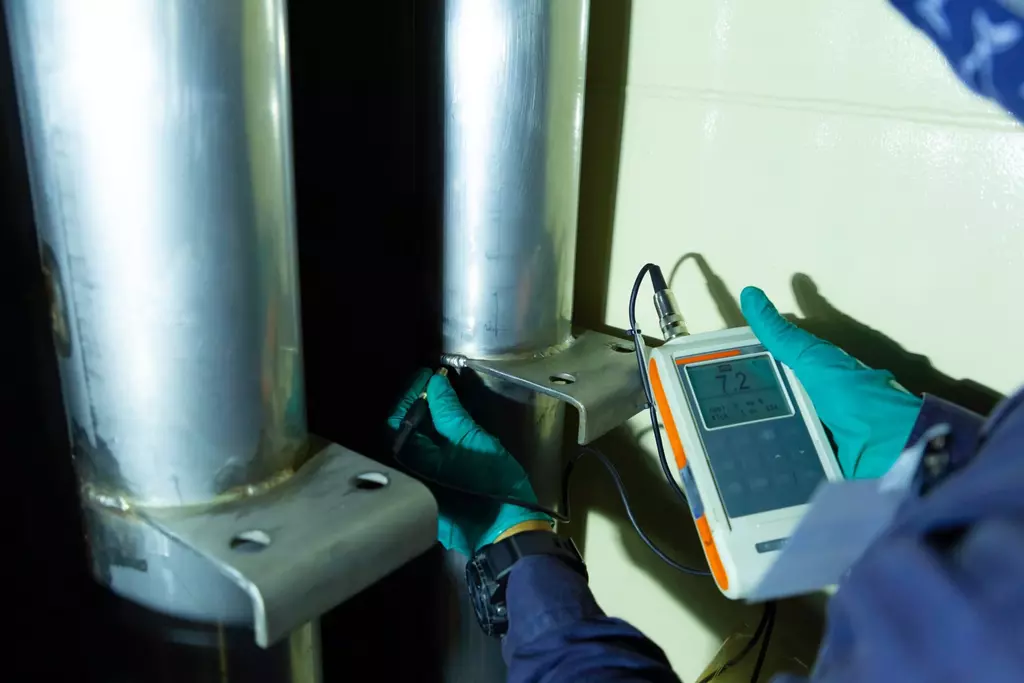
PMI uses a handheld X-ray fluorescence analyzer (XRF) to measure the amount of each element in a metal and can identify all ferrous and nickel-based alloys. Our team of specialist technicians are certified to use the XRF analyzer and are committed to adhering to strict safety procedures in accordance with the Ironizing Radiation Regulations (IRR) regulations, in line with local rules for the use of the analyzer.
Key Benefits of PMI
Flexible
Due to the small size of the equipment used to complete PMI, the inspections can be carried out in confined spaces.
Portable
As the equipment used to do PMI is portable, this allows for your materials to be tested at your site.
Instant Results
PMI is a fast and efficient testing method which means that you will have your results in a timely manner.
How we’ll work with you
We can also carry out Optical Emission Spectroscopy (OES) to verify your material composition.
PMI can be used for a variety of purposes, including:
- Material verification after purchase
- Verification of suspected rogue material
Our Positive Material Identification process
01 SAMPLE PREPARATION
The material to be inspected is thoroughly cleaned, eliminating any debris or contaminants that could hinder the XRF analyzer's effectiveness.
02 Measurement
The XRF analyzer, a portable handheld device, measures the amount of each element present within the material.
03 Identification
With its advanced algorithms, the XRF analyzer identifies the specific metal or alloy of material, providing you with irrefutable knowledge of its composition.
04 Result Confirmation
One of our expert technicians meticulously reviews the results to ensure their accuracy, signing off on a comprehensive test report.
In the world of materials, knowing the true composition is key to safety, quality, and performance.
FAQ
PMI ensures that materials used in manufacturing or construction meet quality standards, regulatory compliance, and safety requirements. It helps prevent material mix-ups, incorrect material usage, or unsafe conditions, especially in industries like oil and gas, construction, aerospace, and power generation.
PMI is commonly used to analyze:
PMI is widely used in industries such as: