
NO 11B, JALAN PUCHONG PERMAI 2, TAMAN PUCHONG PERMAI,
47100, PUCHONG, SELANGOR
+603 5892 6806
Excellent Expertise, Proven Professionals
Hydrostatic Test is one of the methods in which pressure vessels such as pipelines, gas cylinders and tanks can be tested for strength and leaks. This method involves filling the vessels with a liquid such as water or oil. The water may be dyed to aid in visual leak inspection. The location of the leak can be easily detected and identified if the water contains colorant and pressure dropping from the start test pressure.
Hydrostatic high-pressure testing is essential to ensure the structural integrity and safety of pressure vessels, pipelines, and other critical components. It helps identify potential weaknesses and ensures that they meet the required standards and regulations.
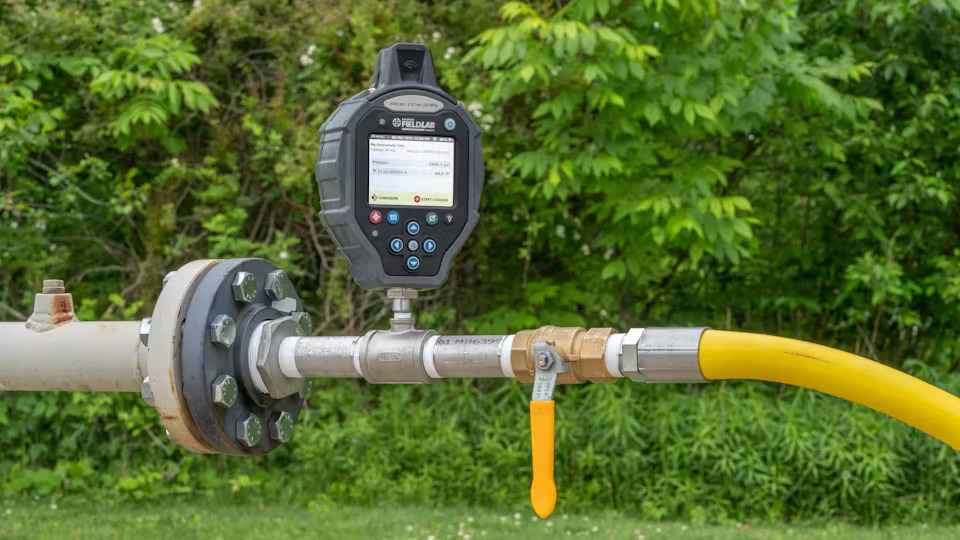
Generally, hydrostatic test requires pressure measuring devices such as pressure gauges and pressure recorders. Pressure gauges provide current readings for the pressure while pressure and temperature recorders record and monitor pressure behavior for a duration set by our end user or following reference standards. All of our measuring equipments will be calibrated for the purpose of the test.
Pumps are also an important part for hydrostatic test to provide various ranges of pressures according to testing requirements. Pumps will be used to inject and build up the pressure gradually safety reason. Reports will be issued after visual inspection based on requirements provided to state the fitness and strength of the UUTs.
Here at MONDIAL's, we provide hydrostatic test services depending on customer’s requirements in terms of the laws and regulations that need to be followed and the location that tests need to be commenced. Our capabilities for hydrostatic testing currently can reach up to 38,000 psig.
Our Hydrostatic Testing Capabilities:
FAQ
A hydrostatic test is a method used to evaluate the structural integrity of a pressure system by filling it with water (or other test fluids) and pressurizing it to a specified pressure. The test is done to ensure the system can handle the designated operational pressure without leaks, deformations, or failures.
Hydrostatic testing ensures that pressure systems, such as tanks, pipelines, and pressure vessels, meet the required safety standards. The test helps detect:
Hydrostatic tests are commonly performed on systems that will operate under high-pressure conditions. These include:
The test pressure is generally 1.5 times the system’s design pressure (also known as the maximum operating pressure). The exact pressure and duration will depend on the system’s specifications and the applicable codes and standards (e.g., ASME, API).
The duration of a hydrostatic test depends on several factors:
While some companies may have the necessary equipment to perform hydrostatic testing in-house, it is generally recommended to hire professional hydrostatic test services to ensure the test is done accurately, safely, and in compliance with industry standards. Professionals are trained to handle the complexities of the testing process and provide reliable results.